Headline: From Policy to Practice: The CCPT Journey Gains Momentum
For the past year, I have shared my 'Banker’s Lens' perspective here on CCPT, VBIAF, and the complexities of the Climate Transition. With decades of experience in the industry, I know the real transformation happens at the Relationship Manager’s desk.
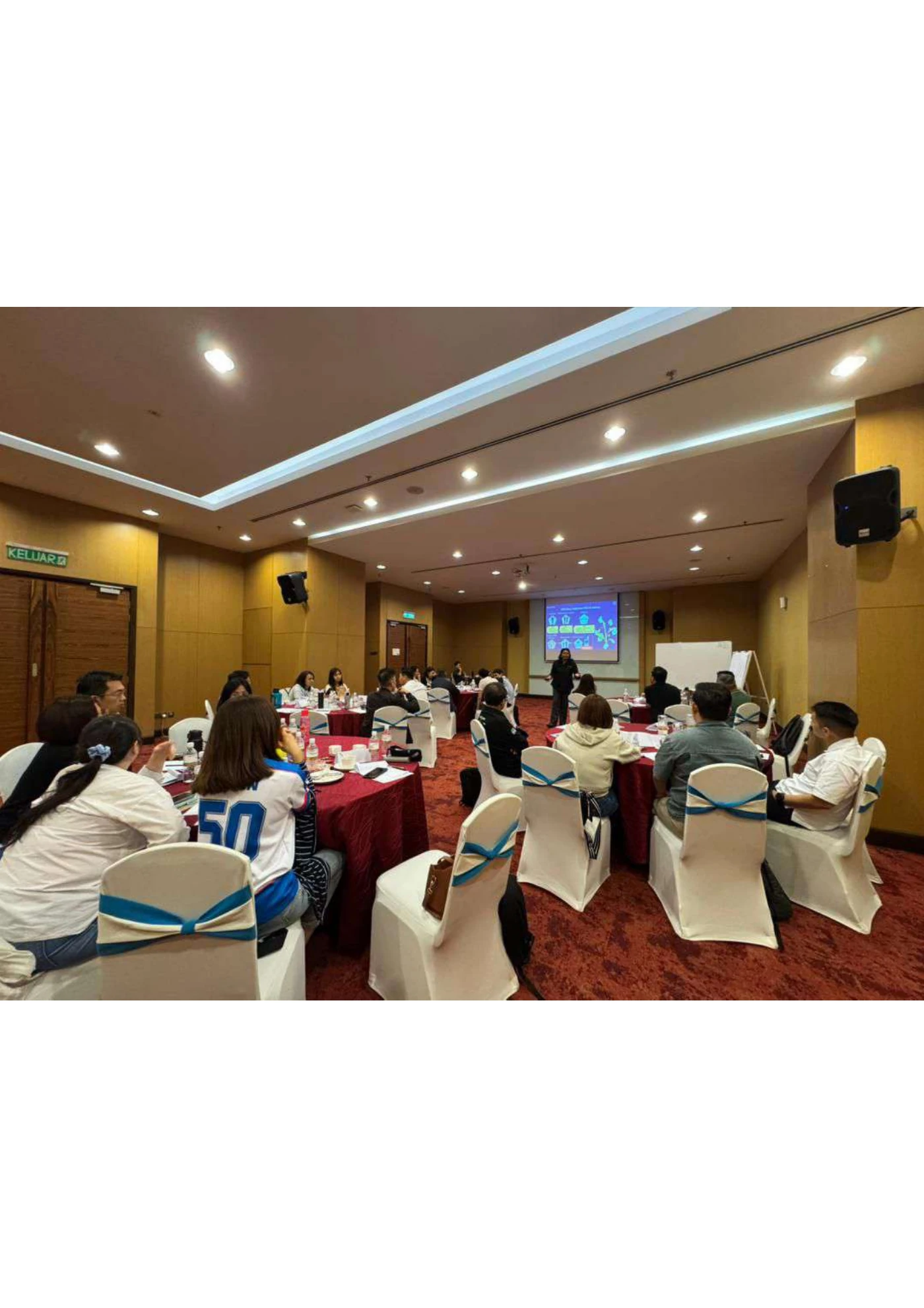
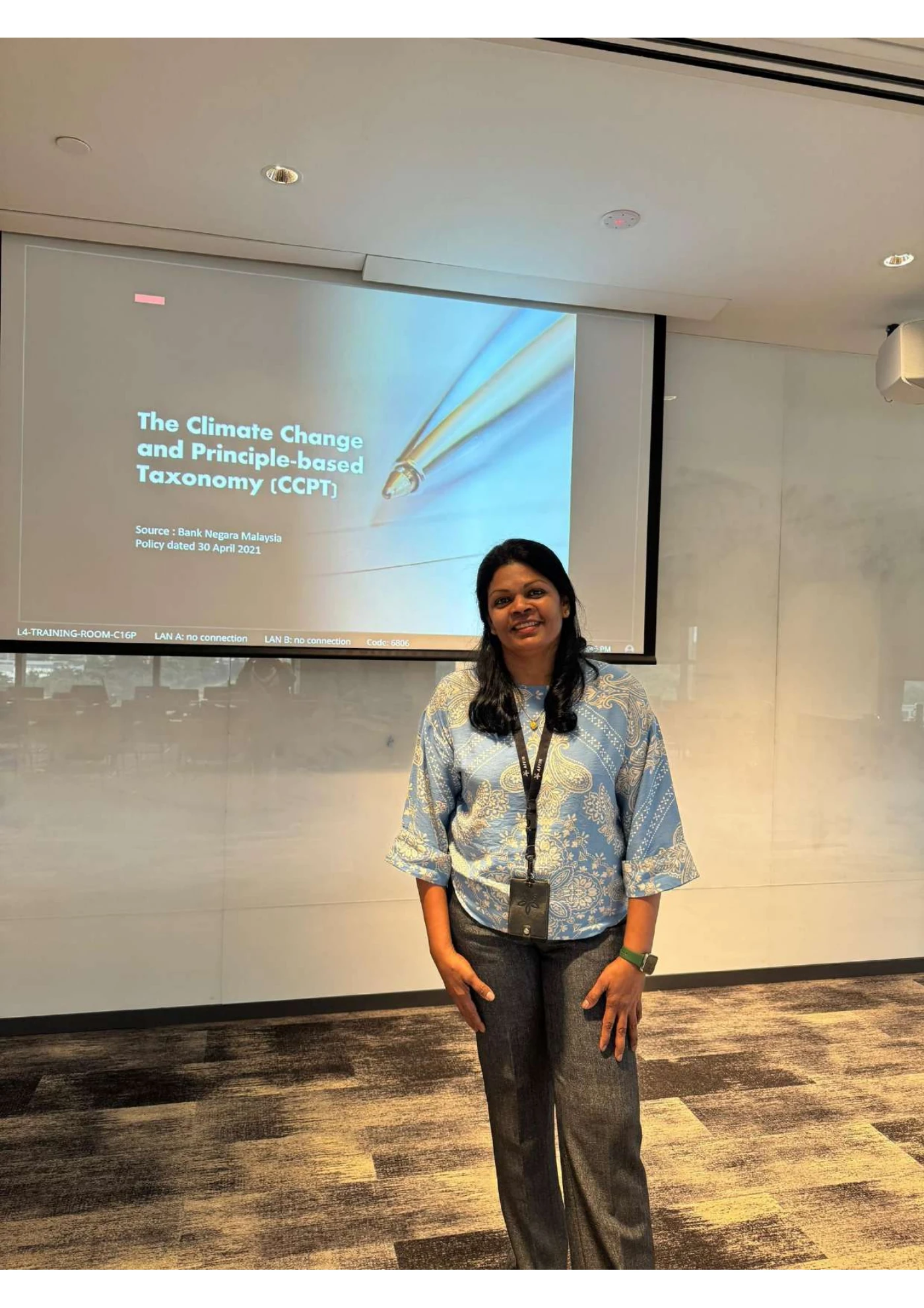
Following my recent HRDF certification, I am thrilled to share the successful launch of our initial batches of Climate Risk Assessment Training. We kicked off in KL and hit the ground in Penang to engage with our Northern region teams. These weren't just lectures; they were workshops where theory met the reality of our credit environment.
Key breakthroughs from these initial sessions:
The Technical 'How' of CCPT: We moved beyond the 'What' and 'Why' of the Climate Change and Principle-based Taxonomy (CCPT). We focused on using Guiding Principles GP1 to GP5 as a structured filter; assessing if an activity is truly Climate Supporting (C1/C2), Transitioning (C3), or Watchlist (C4).
My goal was to empower RMs to document these classifications effectively to strengthen the sustainability narrative in our credit papers.
Solving the SME 'Data Gap': We debated the "grey area" scenarios Relationship Managers face daily. It was encouraging to see lightbulb moments as we explored using proxies for data-poor SMEs to fulfill the "No Significant Harm" (GP3) criteria, ensuring no client is left behind in the transition.
Unlocking Transition Finance: We identified how accurate CCPT tagging is the first step in identifying Transition Finance opportunities, helping our clients evolve their business models alongside the bank.
The energy from our RMs in KL and Penang has been highly encouraging. They now have a clearer understanding of how climate risk translates directly into their portfolios and how to use the taxonomy as a strategic diagnostic tool.
The Road Ahead: These initial sessions are just the start. With the pilot phase complete, we are scaling this training to all Relationship Managers across the Bank in the coming months.
By equipping our frontliners with 'Green Competency,' we are building a more resilient bank and ensuring we remain the preferred partner for our clients in a sustainable economy.
hashtag #CCPT hashtag #AffinBank hashtag #JC3