🌍 Climate Change Isn’t Just a Scientific Issue — It’s a Strategic One for Banks
What starts with rising temperatures can lead to rising credit defaults, operational disruptions, and reputational risks.
Most bankers don’t need a lesson in atmospheric science. But every banker today needs to understand one thing clearly:
Climate change is already reshaping the financial landscape.
This post breaks down what climate change means for banks — in simple terms, with real examples from Malaysian industries. Here’s how it’s affecting the real economy—and your loan book:
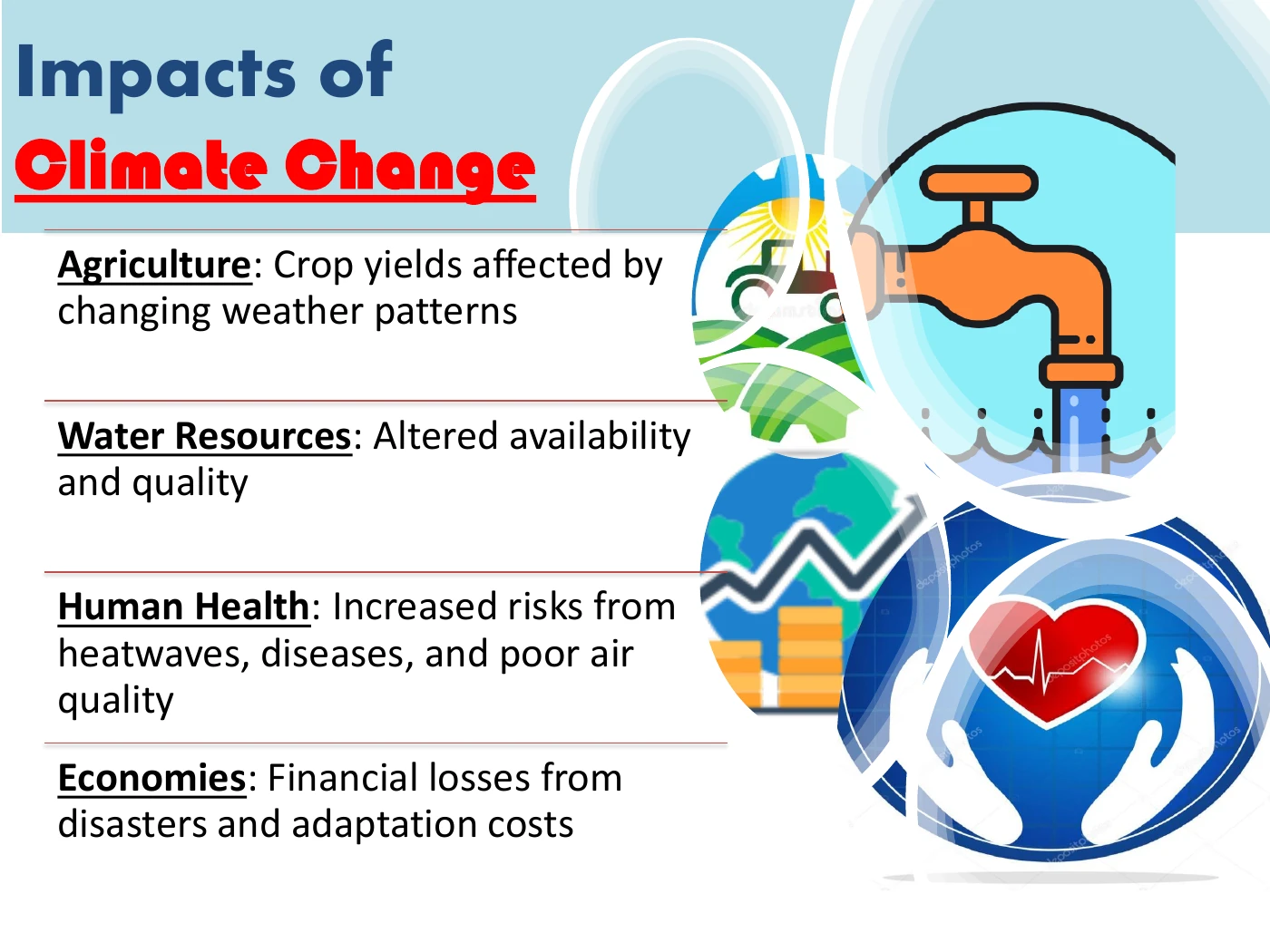
🌾 In Kedah, prolonged droughts have reduced rice yields, increasing default risk for agribusiness borrowers. 🌊 In Penang and Klang Valley, flash floods have damaged SME warehouses and disrupted cash flows. 🏭 A steel manufacturer in Selangor faces increased scrutiny from buyers shifting to lower-carbon supply chains. 🏘️ Coastal properties in Sabah and Johor are seeing growing insurance premiums—and potential devaluation—due to rising sea levels.
These aren’t future scenarios. They’re already showing up in our risk assessments and operational planning.
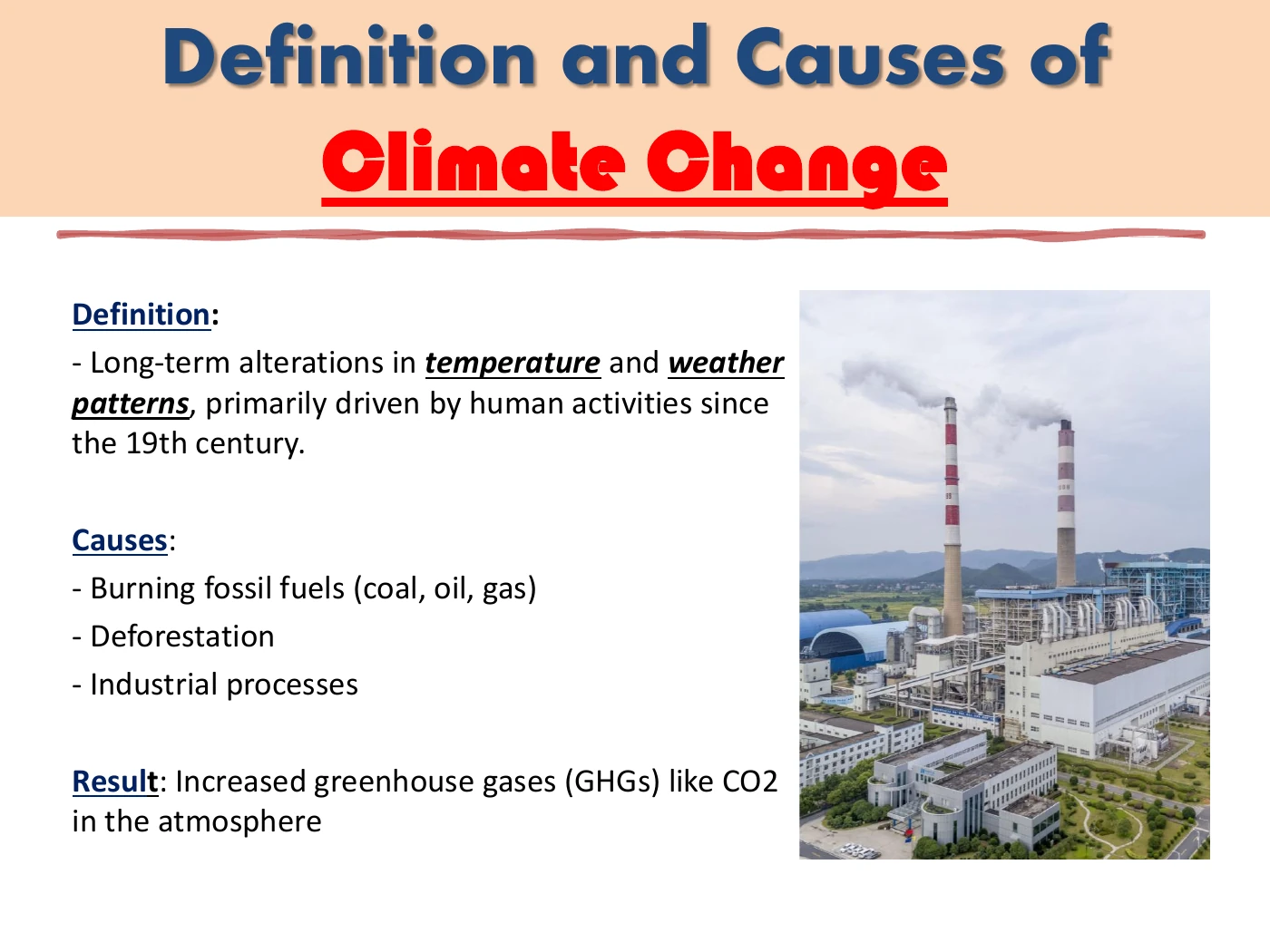
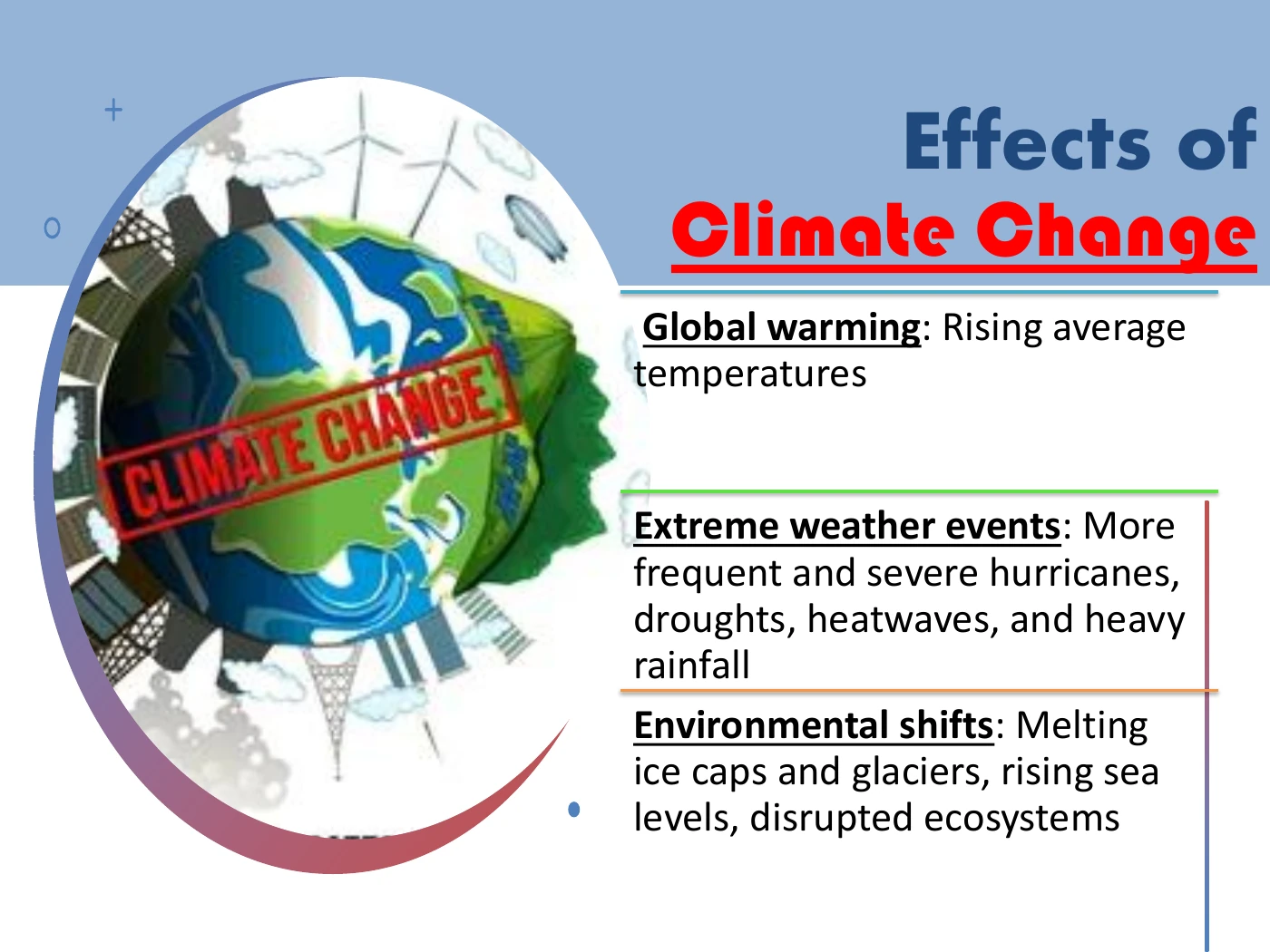
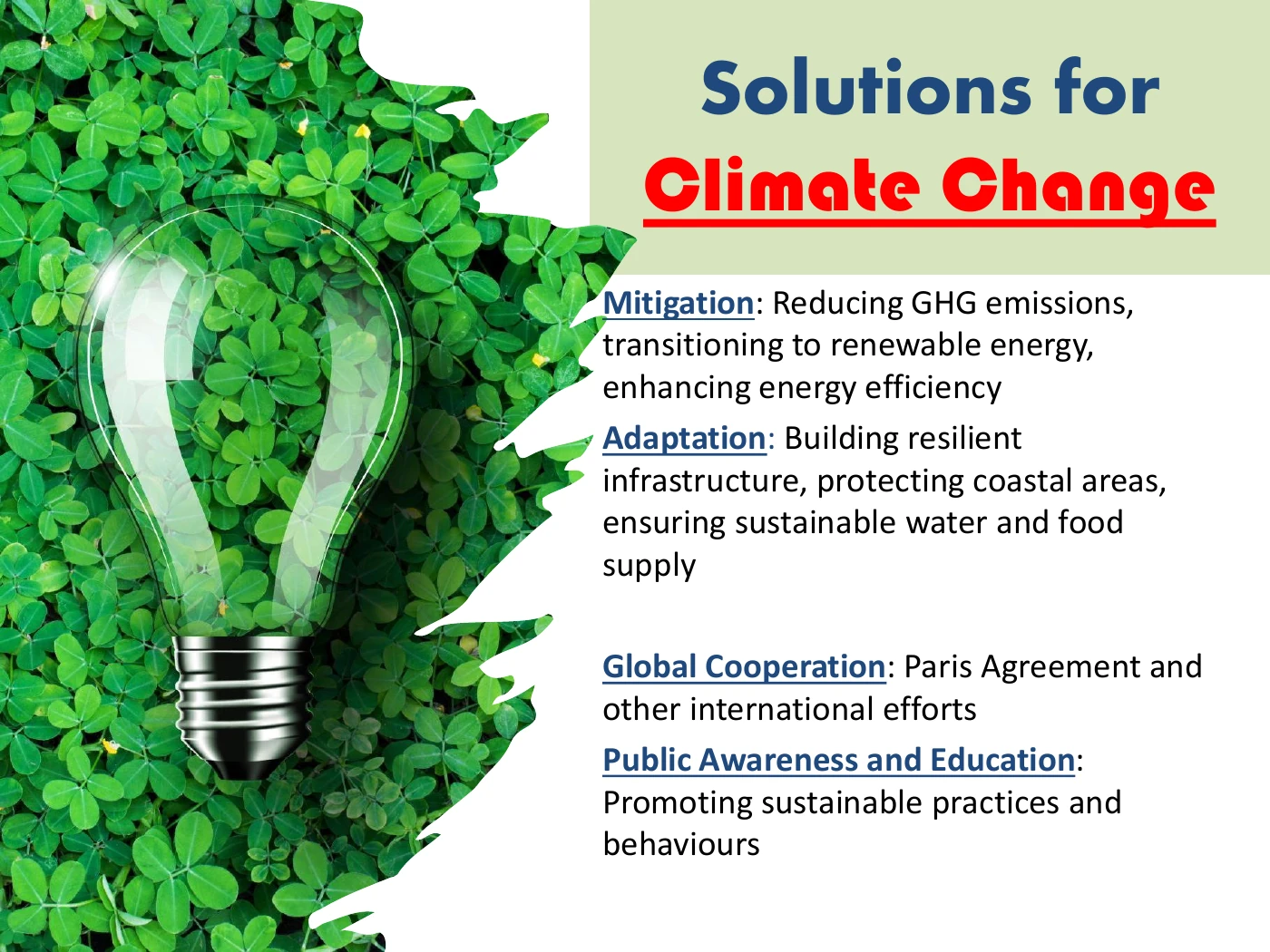
In this post, I’ve simplified what climate change really is, what causes it, and what it means for banks like ours. Sourced from BNM CCPT Guidance.
👉 Next up: I’ll break down the three types of Climate Risk every banker should know—Physical, Transition, and Liability Risk—and how they impact lending decisions.