Read the document text, page by page
Automatically extracted from the original PDF. Reading order and symbols may differ from the designed pages; the PDF remains the authoritative visual version.
VBIAF: Transforming
Islamic Finance Through
Impact
Bank Negara Malaysia's Value-Based Intermediation Financing & Investment
Impact Assessment Framework
What is VBIAF?
Impact-Driven
Framework
Guides financial institutions to
assess financing based on
sustainable impact and Shariah
principles
ESG Integration
Incorporates environmental,
social, and governance factors
into Islamic banking decisions
Risk Management Tool
Identifies and manages ESG-related risks in financing and investment
activities
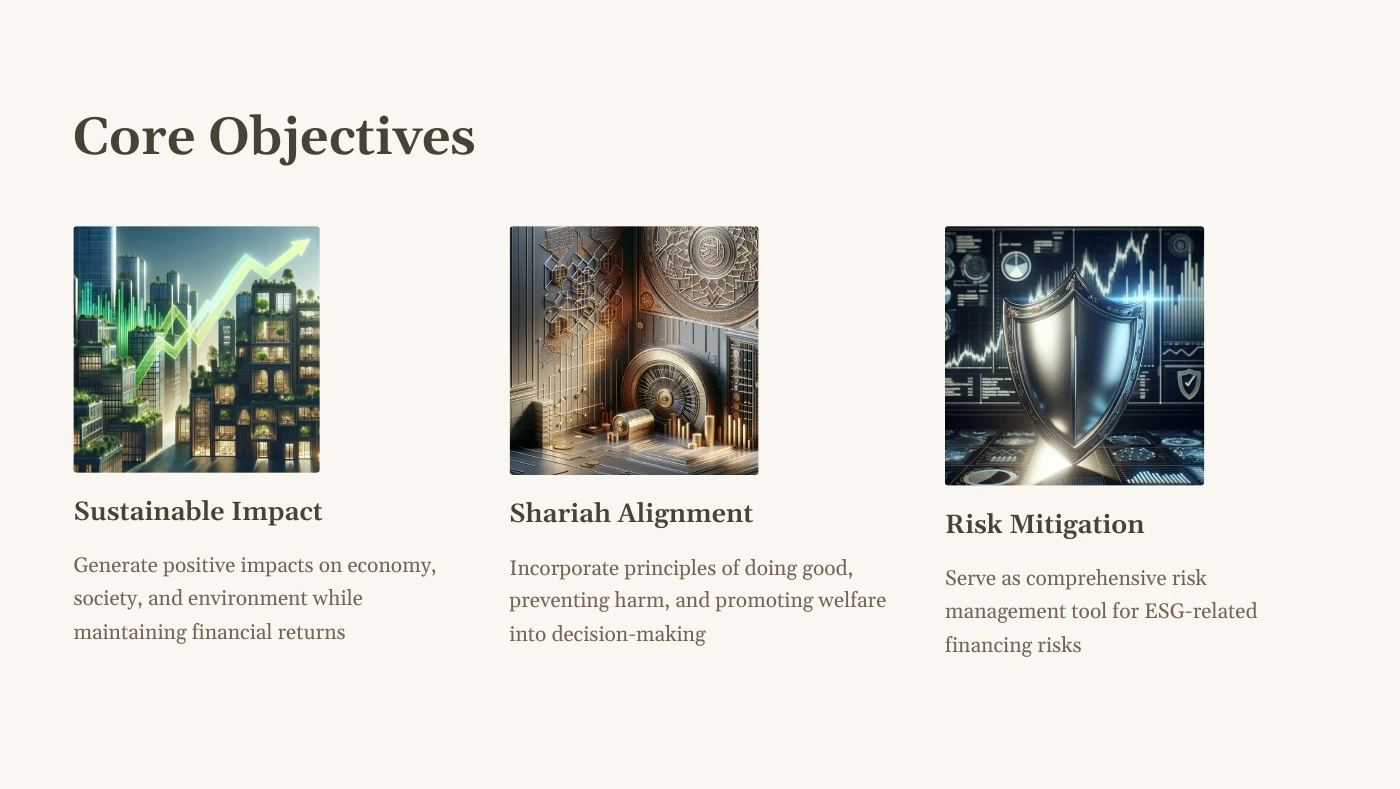
Core Objectives
Sustainable Impact
Generate positive impacts on economy,
society, and environment while
maintaining financial returns
Shariah Alignment
Incorporate principles of doing good,
preventing harm, and promoting welfare
into decision-making
Risk Mitigation
Serve as comprehensive risk
management tool for ESG-related
financing risks
VBIAF Development Timeline
01
2018: Foundation
BNM released VBI Implementation Guide,
VBI Scorecard (Consultative), and VBIAF
(Consultative)
02
November 2019: Official
Launch
VBIAF was officially finalized and
published, marking a milestone in Islamic
sustainable finance
03
April 2021: CCPT Release
Climate Change and Principle-based
Taxonomy issued to support sectoral
assessments
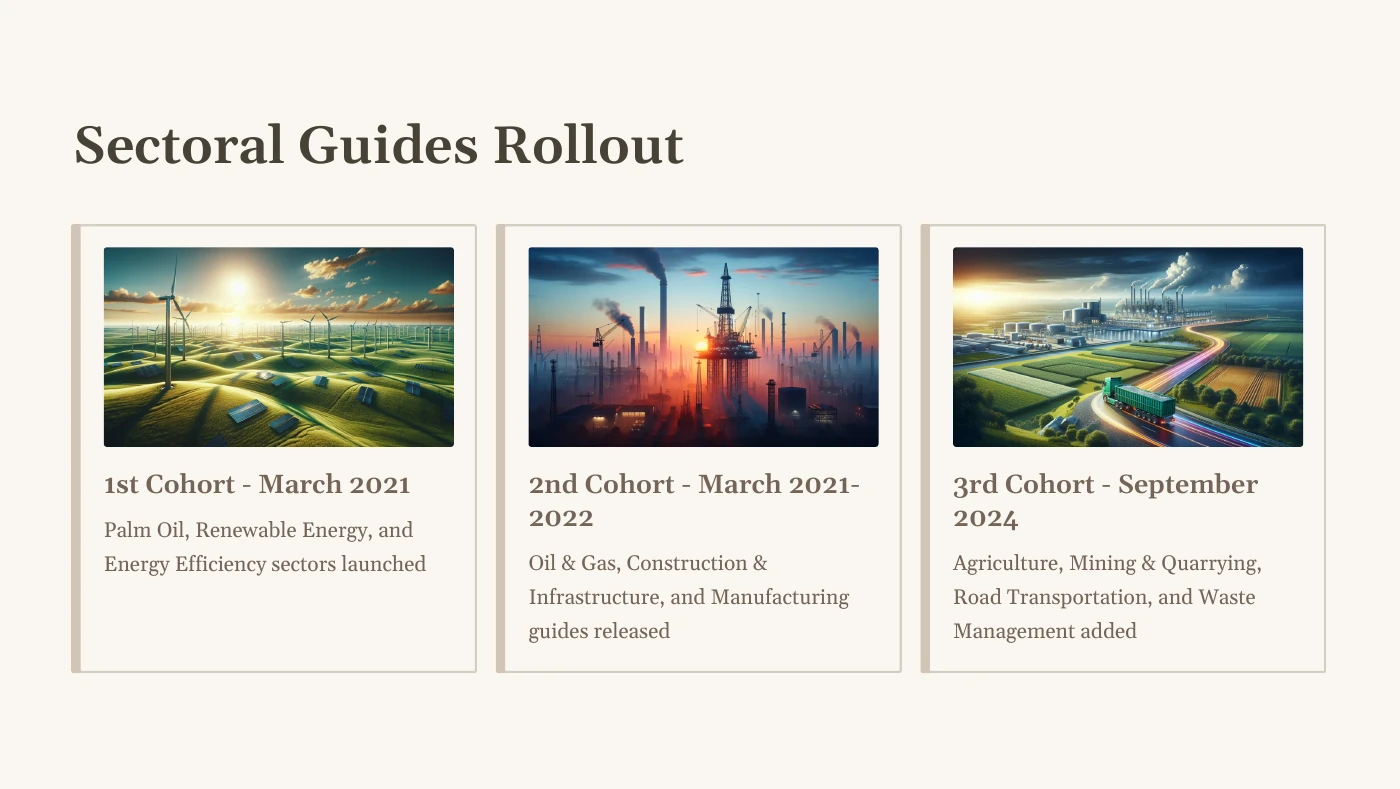
Sectoral Guides Rollout
1st Cohort - March 2021
Palm Oil, Renewable Energy, and
Energy Efficiency sectors launched
2nd Cohort - March 2021-
2022
Oil & Gas, Construction &
Infrastructure, and Manufacturing
guides released
3rd Cohort - September
2024
Agriculture, Mining & Quarrying,
Road Transportation, and Waste
Management added
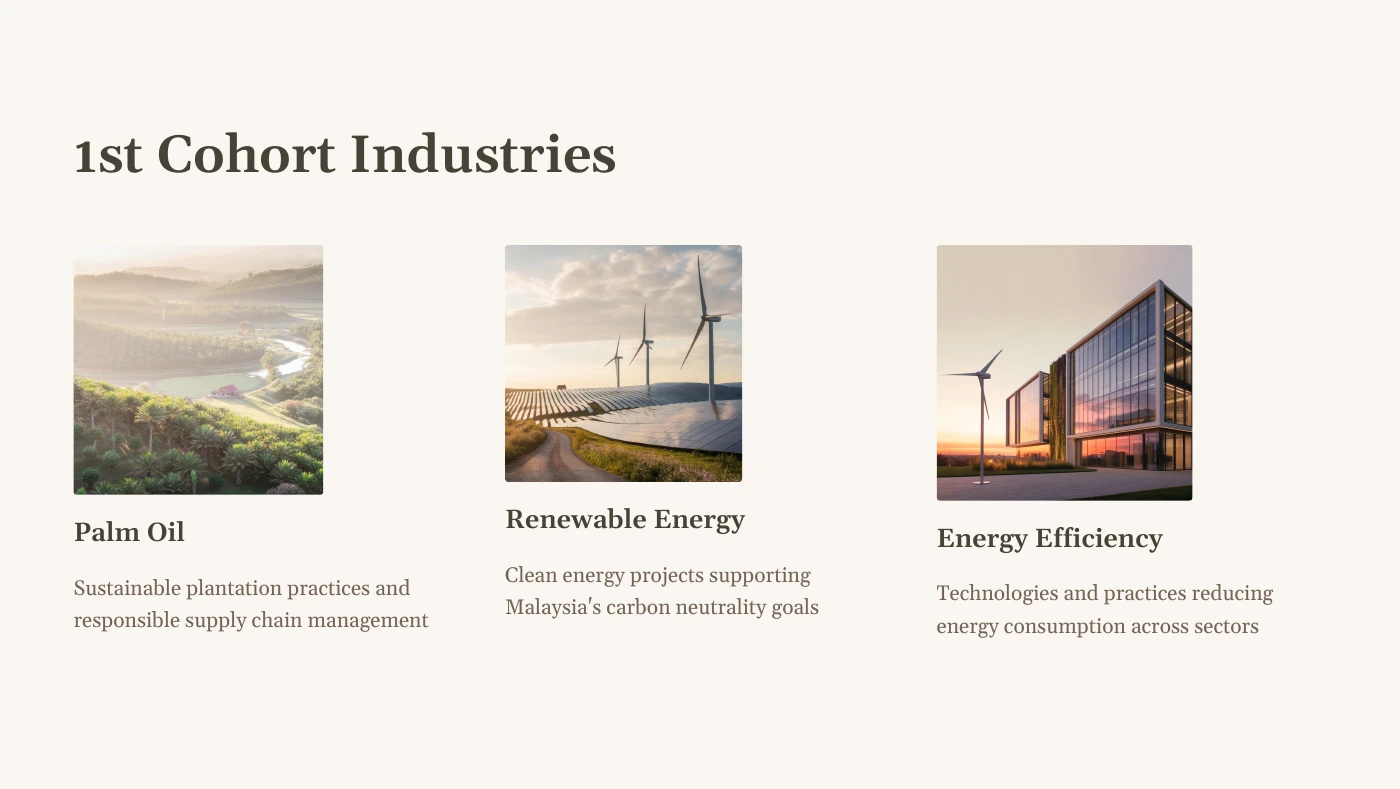
1st Cohort Industries
Palm Oil
Sustainable plantation practices and
responsible supply chain management
Renewable Energy
Clean energy projects supporting
Malaysia's carbon neutrality goals
Energy Efficiency
Technologies and practices reducing
energy consumption across sectors
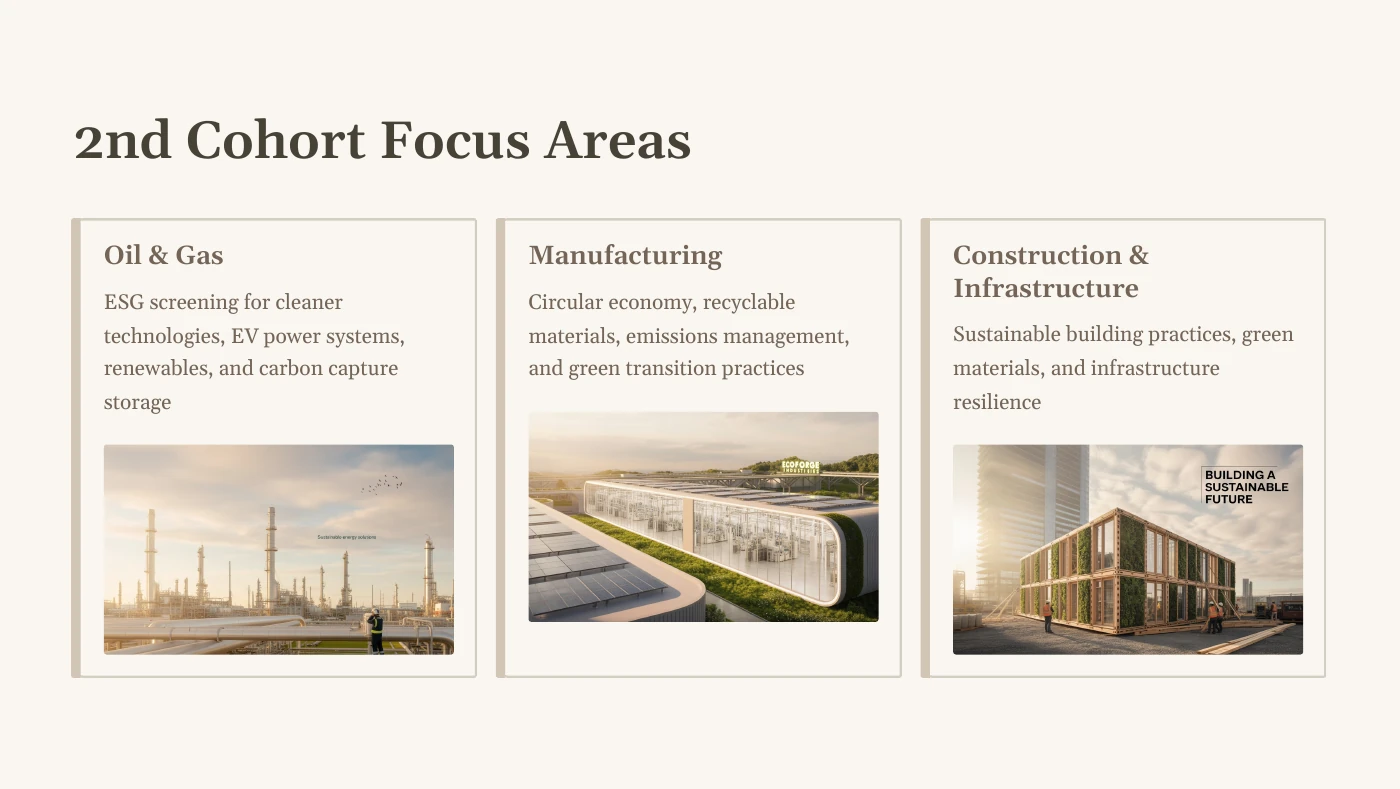
2nd Cohort Focus Areas
Oil & Gas
ESG screening for cleaner
technologies, EV power systems,
renewables, and carbon capture
storage
Manufacturing
Circular economy, recyclable
materials, emissions management,
and green transition practices
Construction &
Infrastructure
Sustainable building practices, green
materials, and infrastructure
resilience
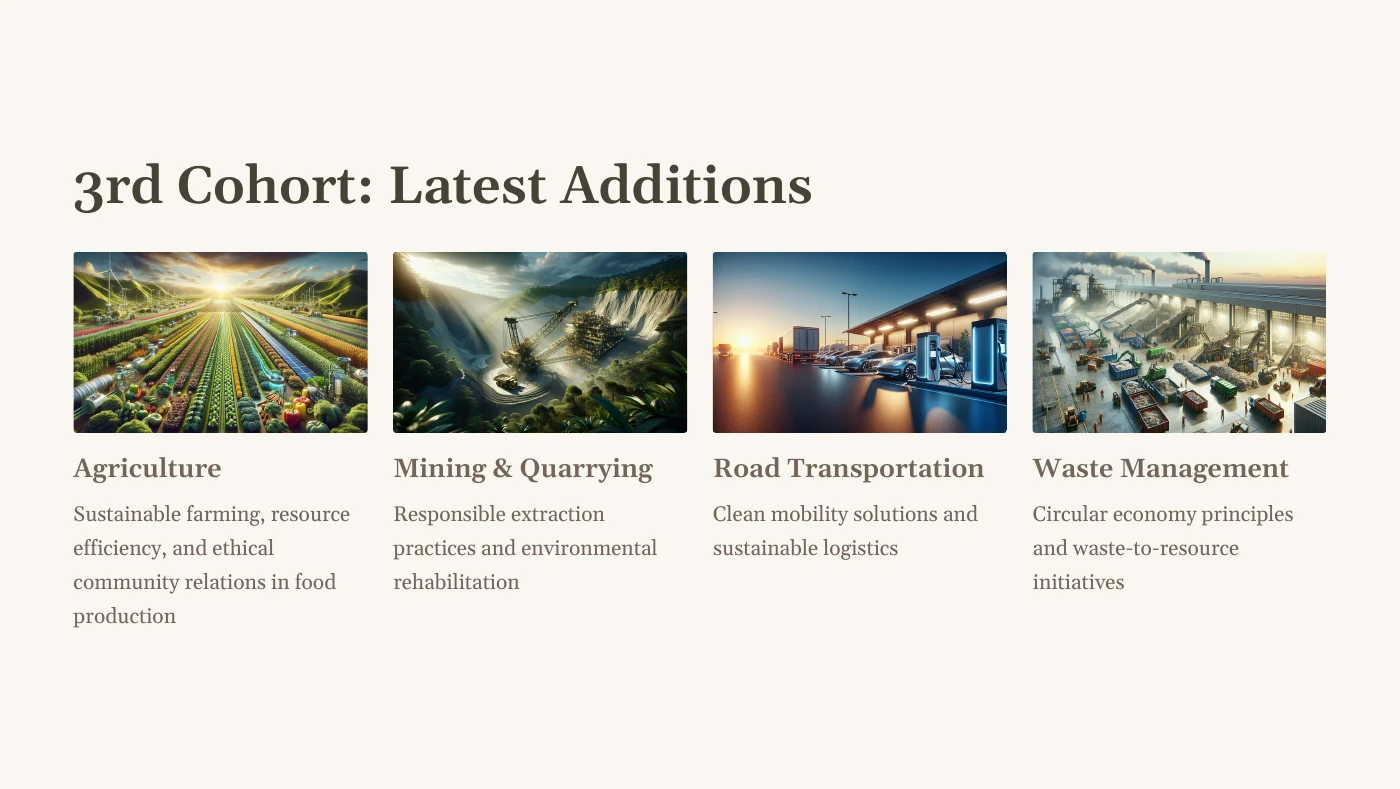
3rd Cohort: Latest Additions
Agriculture
Sustainable farming, resource
efficiency, and ethical
community relations in food
production
Mining & Quarrying
Responsible extraction
practices and environmental
rehabilitation
Road Transportation
Clean mobility solutions and
sustainable logistics
Waste Management
Circular economy principles
and waste-to-resource
initiatives
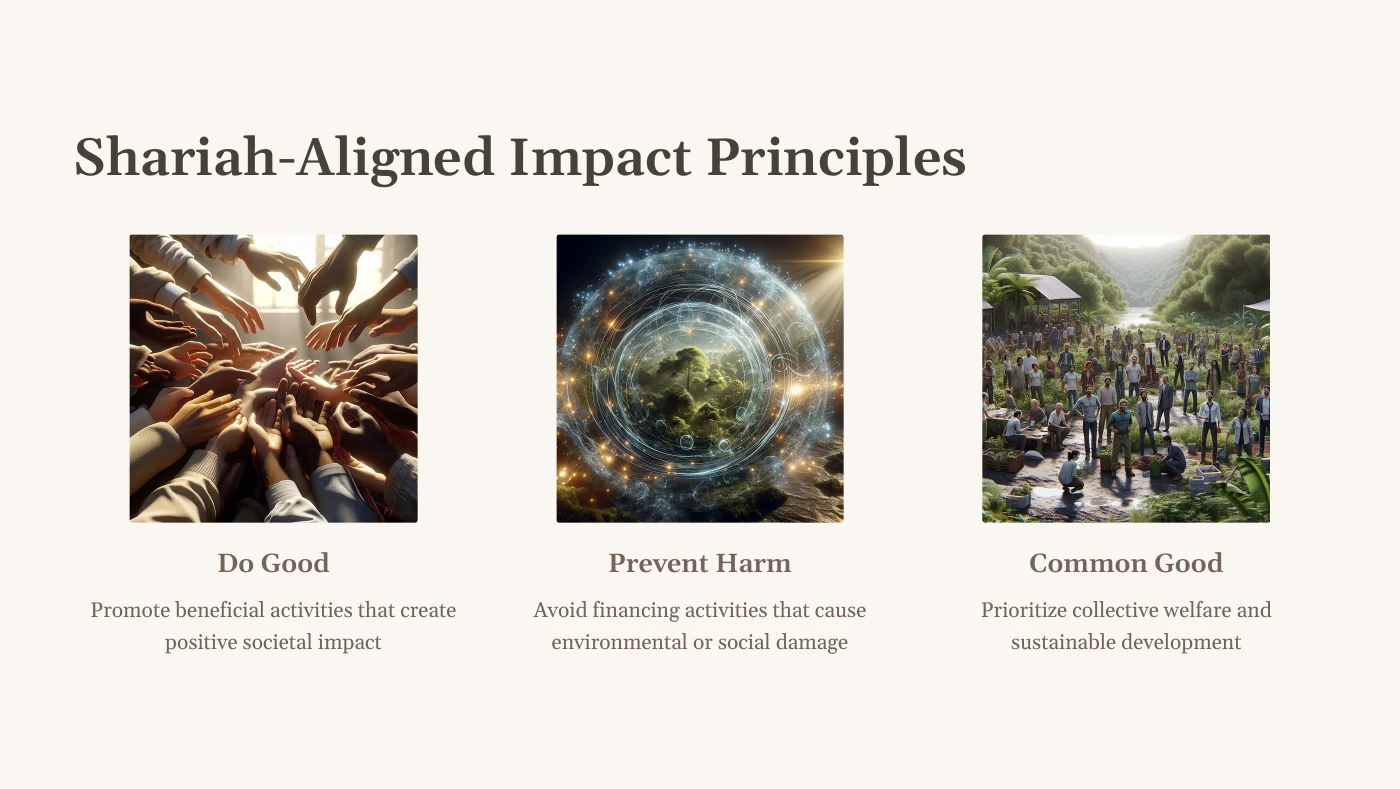
Shariah-Aligned Impact Principles
Do Good
Promote beneficial activities that create
positive societal impact
Prevent Harm
Avoid financing activities that cause
environmental or social damage
Common Good
Prioritize collective welfare and
sustainable development
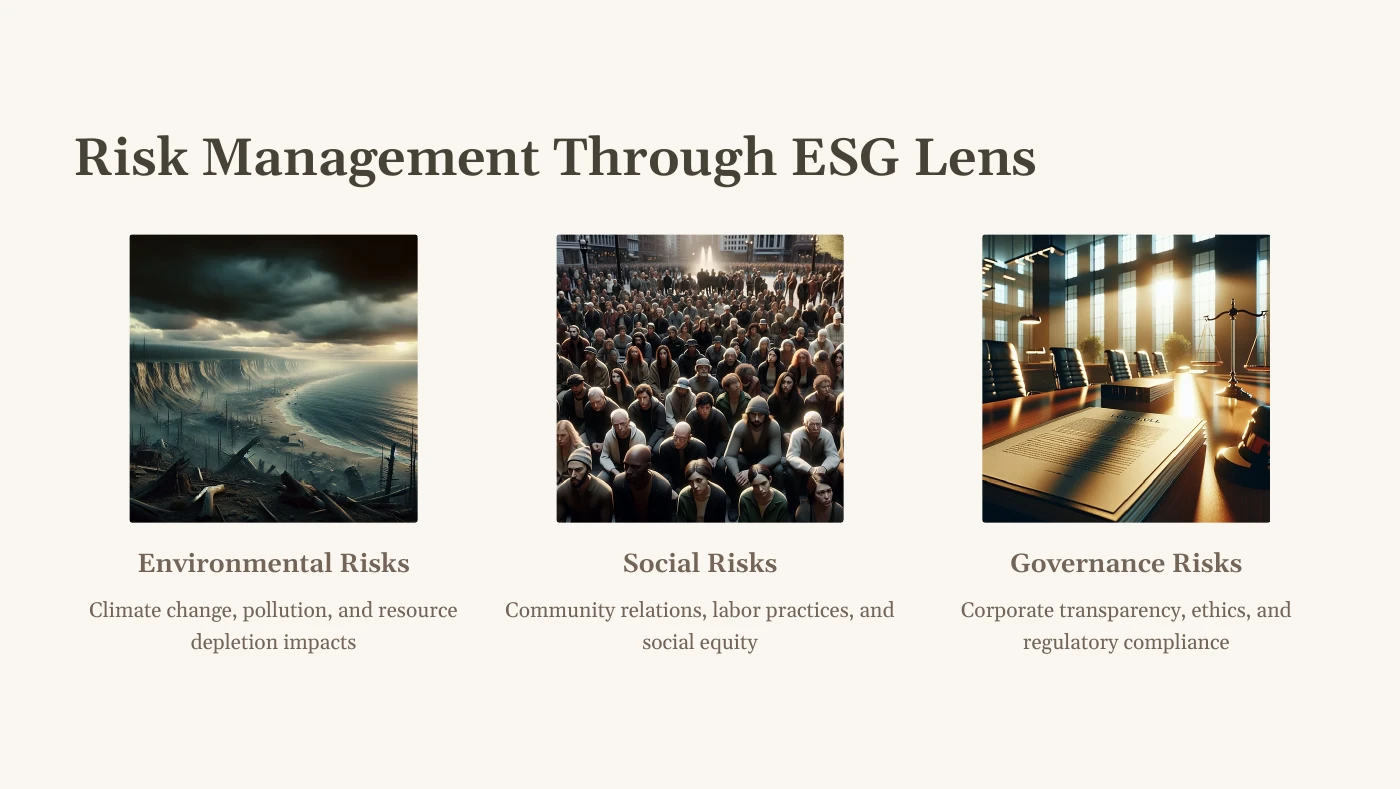
Risk Management Through ESG Lens
Environmental Risks
Climate change, pollution, and resource
depletion impacts
Social Risks
Community relations, labor practices, and
social equity
Governance Risks
Corporate transparency, ethics, and
regulatory compliance
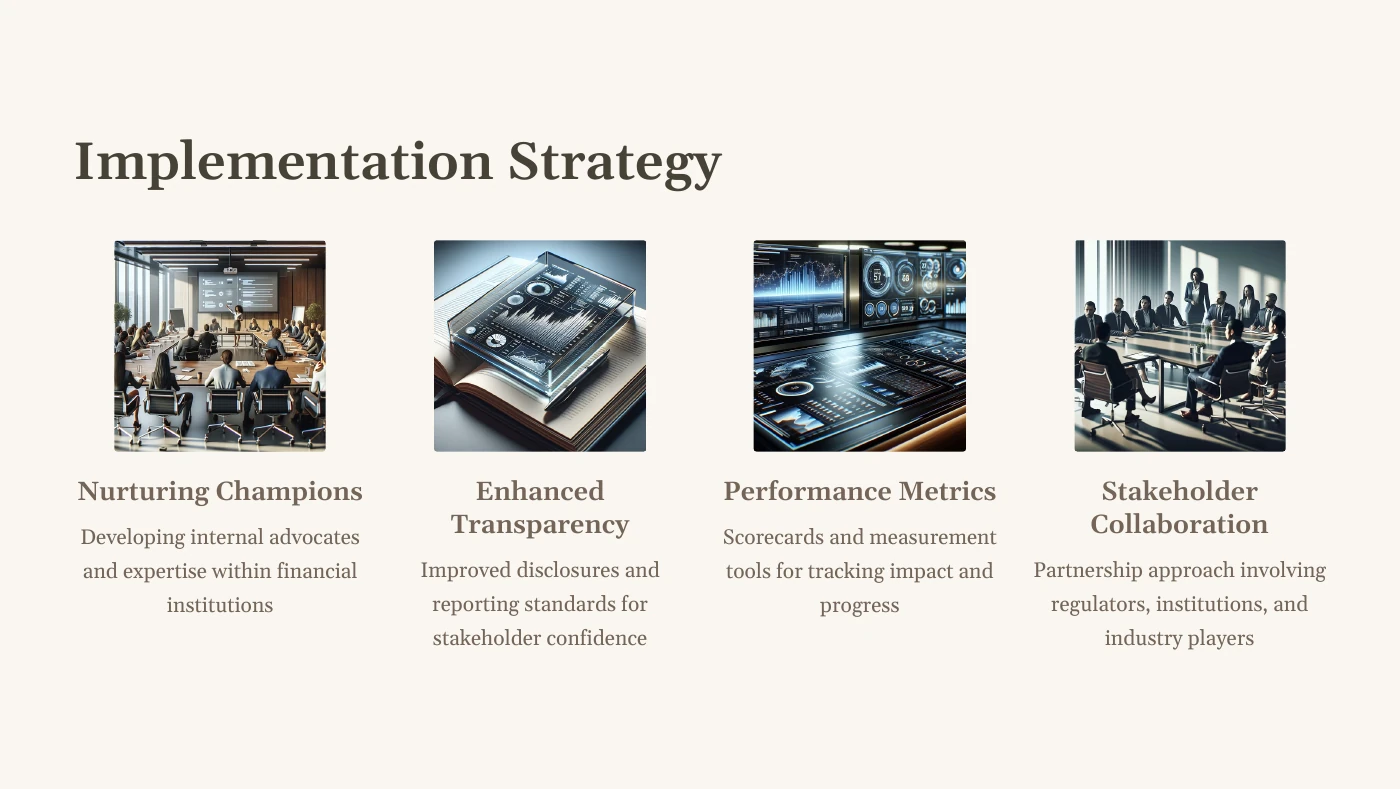
Implementation Strategy
Nurturing Champions
Developing internal advocates
and expertise within financial
institutions
Enhanced
Transparency
Improved disclosures and
reporting standards for
stakeholder confidence
Performance Metrics
Scorecards and measurement
tools for tracking impact and
progress
Stakeholder
Collaboration
Partnership approach involving
regulators, institutions, and
industry players
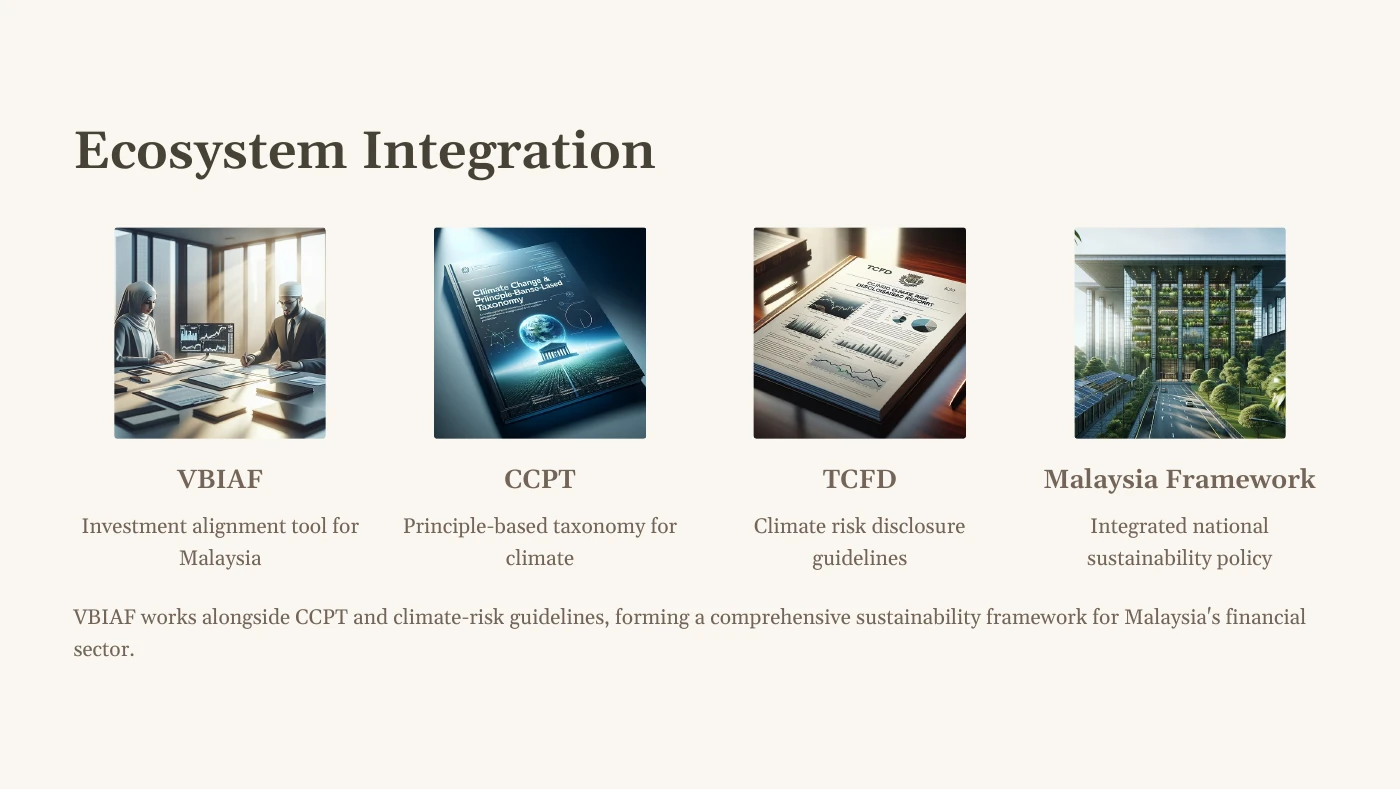
Ecosystem Integration
VBIAF
Investment alignment tool for
Malaysia
CCPT
Principle-based taxonomy for
climate
TCFD
Climate risk disclosure
guidelines
Malaysia Framework
Integrated national
sustainability policy
VBIAF works alongside CCPT and climate-risk guidelines, forming a comprehensive sustainability framework for Malaysia's financial
sector.
The Future of Islamic
Sustainable Finance
11
Sectoral Guides
Comprehensive
coverage across key
economic sectors
2019
Framework
Launch
Pioneering sustainable
Islamic finance
regulation
100%
Voluntary
Adoption
Industry-driven
implementation with
regulatory support
VBIAF represents Malaysia's leadership in integrating Islamic principles with
sustainable finance, creating a model for global Islamic banking
transformation.